



 English

In modern manufacturing,Material selection often determines whether a product performs efficiently or fails under pressure.Among the most widely used materials in precision machining are aluminum and steel.When comparing custom CNC Aluminum Parts with steel components,the answer is not simply which is“better,”but which is more suitable for specific industrial applications.
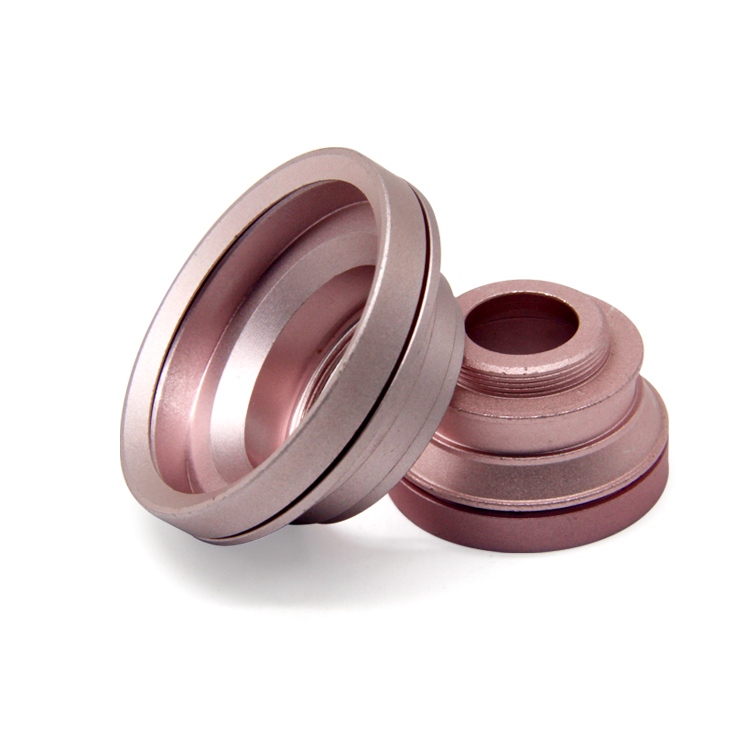
To begin with,cnc machined aluminum parts are highly valued for their lightweight properties.Aluminum has a much lower density compared to steel,which makes it ideal for Industries where weight reduction directly impacts performance.Aerospace,drone manufacturing,and automotive engineering often rely on precision aluminum CNC machining to improve fuel efficiency,speed,and energy consumption.
On the other hand,CNC steel parts are known for their strength and durability.Steel performs exceptionally well in high-stress environments where structural integrity is critical.Heavy machinery,industrial equipment,and construction tools often depend on steel components because of their superior hardness and load-bearing capacity.
From a manufacturing perspective,aluminum is easier to machine.5 axis CNC aluminum parts can be produced faster with less tool wear,which helps reduce production costs and lead time.This makes aluminum a preferred choice for prototyping and high-volume production.Steel,however,is more difficult to machine and often requires specialized tooling,which increases processing time but delivers higher strength output.
Another important factor is surface treatment.Anodized CNC aluminum parts offer excellent corrosion resistance and aesthetic flexibility.They can be colored,coated,and finished in various ways,making them popular in consumer electronics and visual product design.Steel parts,while strong,often require additional coatings such as plating or painting to prevent rust in harsh environments.
In terms of application flexibility,custom aluminum machining service is widely used in industries that require complex geometries and lightweight structures.Steel is more commonly used in static or load-intensive environments where durability is more important than weight.
Today,both materials are essential in modern industry.The choice between them depends on performance goals,cost considerations,and environmental conditions.
Typical Applications Comparison
Custom CNC aluminum parts are commonly used in:
Aerospace structural components
Automotive lightweight parts
Electronics heat sinks and housings
Drone and UAV frames
Robotics and automation systems
CNC steel parts are commonly used in:
Heavy machinery components
Industrial equipment frames
Construction tools and hardware
High-load mechanical systems
Energy and oil industry equipment
Key Differences at a Glance
Aluminum:lightweight,corrosion-resistant,easy to machine
Steel:strong,durable,high load capacity
Aluminum:faster production cycles
Steel:better performance in extreme stress conditions