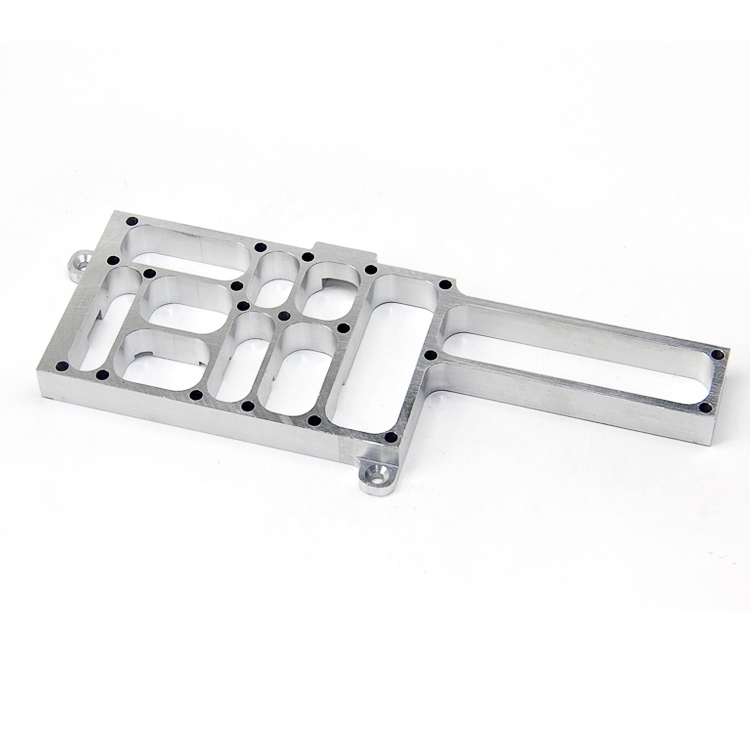


Precision machined aluminum parts are high-accuracy components manufactured from aluminum Materials through advanced CNC machining processes. These parts are designed to meet strict dimensional tolerances, complex geometries, and high-performance requirements across various industries.
With excellent machinability, lightweight properties, corrosion resistance, and superior strength-to-weight ratio, precision aluminum machined parts are widely used in aerospace, automotive, electronics, medical equipment, robotics, and industrial machinery.
Compared with traditional manufacturing methods, CNC precision machining enables manufacturers to produce aluminum components with consistent quality, tight tolerances, and reliable performance.
Common precision machined aluminum parts include:
Aluminum housings
Aluminum brackets
Aluminum enclosures
Aluminum connectors
Aluminum shafts
Aluminum plates
Aluminum structural components
Custom aluminum mechanical parts
The manufacturing of precision machined aluminum parts involves multiple processes, from material selection and CNC programming to machining and surface finishing.
Choosing the right aluminum alloy is essential for achieving the required performance and durability.
Common aluminum alloys used for precision machining include:
Aluminum 6061 is one of the most commonly used materials for CNC machining.
Advantages include:
Excellent machinability
Good corrosion resistance
Balanced strength
Good weldability
High surface quality
It is widely used for general industrial components, automotive parts, and structural applications.
Aluminum 7075 is a high-strength aluminum alloy mainly used for demanding applications.
Features include:
High tensile strength
Excellent fatigue resistance
Lightweight performance
It is commonly used in aerospace and high-performance mechanical components.
Aluminum 2024 provides:
High strength
Good fatigue resistance
Excellent performance in aerospace applications
CNC milling is widely used for manufacturing complex precision aluminum components.
It can create:
Complex surfaces
Slots
Holes
Pockets
Detailed features
CNC turning is suitable for producing cylindrical aluminum parts, such as:
Shafts
Bushings
Sleeves
Rotating components
Precision drilling and tapping create accurate holes and threads for assembly.
Additional machining processes can improve:
Surface accuracy
Dimensional precision
Surface smoothness
Surface treatment improves the appearance, durability, and functionality of precision machined aluminum parts.
Anodizing is one of the most popular finishes for aluminum components.
Benefits include:
Improved corrosion resistance
Increased surface hardness
Enhanced appearance
Various color options
Sandblasting provides:
Uniform matte texture
Improved surface appearance
Reduced machining marks
Polishing creates:
Smooth surface finish
High-quality appearance
Reduced surface roughness
Powder coating provides:
Additional protection
Strong surface durability
Custom color options
The biggest advantage of precision CNC machined aluminum parts is their ability to achieve tight tolerances.
Advanced CNC equipment ensures:
Accurate dimensions
Consistent production
Reliable assembly performance
Aluminum is much lighter than steel while maintaining excellent mechanical properties.
This makes precision aluminum parts ideal for industries requiring weight reduction, such as:
Aerospace
Automotive
Robotics
Aluminum is easy to process compared with many other metals.
Benefits include:
Faster machining speed
Reduced production time
Lower manufacturing costs
Complex design capability
Aluminum naturally forms a protective oxide layer that helps resist corrosion.
With additional treatments like anodizing, aluminum components can achieve improved durability.
Aluminum provides high strength while keeping components lightweight, making it suitable for high-performance applications.
The aerospace industry requires lightweight and high-precision components.
Precision machined aluminum parts are used for:
Aircraft brackets
Structural components
Mounting parts
Engine components
Interior assemblies
Automotive manufacturers use aluminum precision parts for:
Engine components
Transmission parts
Sensor housings
Custom brackets
Lightweight structural parts
Aluminum helps improve vehicle efficiency and performance.
Due to excellent thermal conductivity and machining flexibility, aluminum is widely used in electronics.
Applications include:
Electronic housings
Heat sink components
Connector parts
Equipment enclosures
Medical equipment requires highly accurate and reliable components.
Applications include:
Surgical instrument parts
Medical device housings
Precision mechanical components
Industrial automation systems use custom precision aluminum parts for:
Robotic components
Machine fixtures
Mounting brackets
Motion system parts
Many industries require custom precision aluminum parts designed according to specific requirements.
Manufacturers can provide customization services including:
Parts can be produced based on:
CAD drawings
3D models
Technical specifications
Professional CNC machining allows production of components with strict dimensional requirements.
Customers can choose different finishes based on application needs.
CNC machining supports:
Rapid prototyping
Small batch production
Large-scale manufacturing
A reliable supplier should have:
CNC milling machines
CNC turning machines
Precision inspection equipment
Experienced manufacturers understand:
Aluminum material properties
Machining processes
Surface finishing requirements
Strict quality control ensures:
Dimensional accuracy
Material consistency
Product reliability
Common inspection equipment includes:
CMM machines
Micrometers
Calipers
Surface roughness testers
Precision machined aluminum parts are high-accuracy components produced through CNC machining processes using aluminum alloys. They are designed for applications requiring tight tolerances and reliable performance.
Aluminum offers lightweight properties, excellent machinability, corrosion resistance, and a high strength-to-weight ratio, making it ideal for precision components.
Common aluminum alloys include 6061, 7075, and 2024 due to their excellent mechanical properties and machining performance.
Yes. Manufacturers can produce custom precision machined aluminum parts according to drawings, specifications, dimensions, and surface finishing requirements.
They are widely used in aerospace, automotive, electronics, medical equipment, robotics, and industrial automation industries.

JIESHENG HARDWARE is a professional manufacturer that focuses on customizing High- Precision Hardware Spare Parts more than 20 years of experience.
Copyright © 2026 Dongguan Jiesheng Hardware Industry Co., Ltd. All rights reserved. Privacy Policy


 English
